Branding
Your Logo Is More Than a Logo: How to Build a Brand People Remember
The Rise & Tide Team · October 15, 2026 · 6 min read
A brand isn’t just what people see. It’s what they remember.
Your logo might introduce the business, but the memory comes from everything around it: how you answer a question, whether the crew arrives when promised, and how the work holds up. For a small business, branding is less about looking bigger than you are and more about making a clear promise, then keeping it in recognizable ways.
Identity introduces you. Reputation brings people back.
Brand identity is the part you shape deliberately: your name, colors, logo, photography, and tone of voice. Reputation is what people believe after dealing with you or hearing about you. You can choose a confident visual identity; you cannot simply declare yourself dependable and expect customers to agree. Their experience supplies the evidence.
Start with one useful question: what should a customer remember about working with us? A landscaping business might want to be remembered for careful work and tidy properties. A coffee shop might emphasize a genuinely welcoming daily ritual. A contractor might stand for clear communication and no surprises. Pick something meaningful that your team can actually deliver, not a string of impressive adjectives.
Make the familiar things look and sound familiar
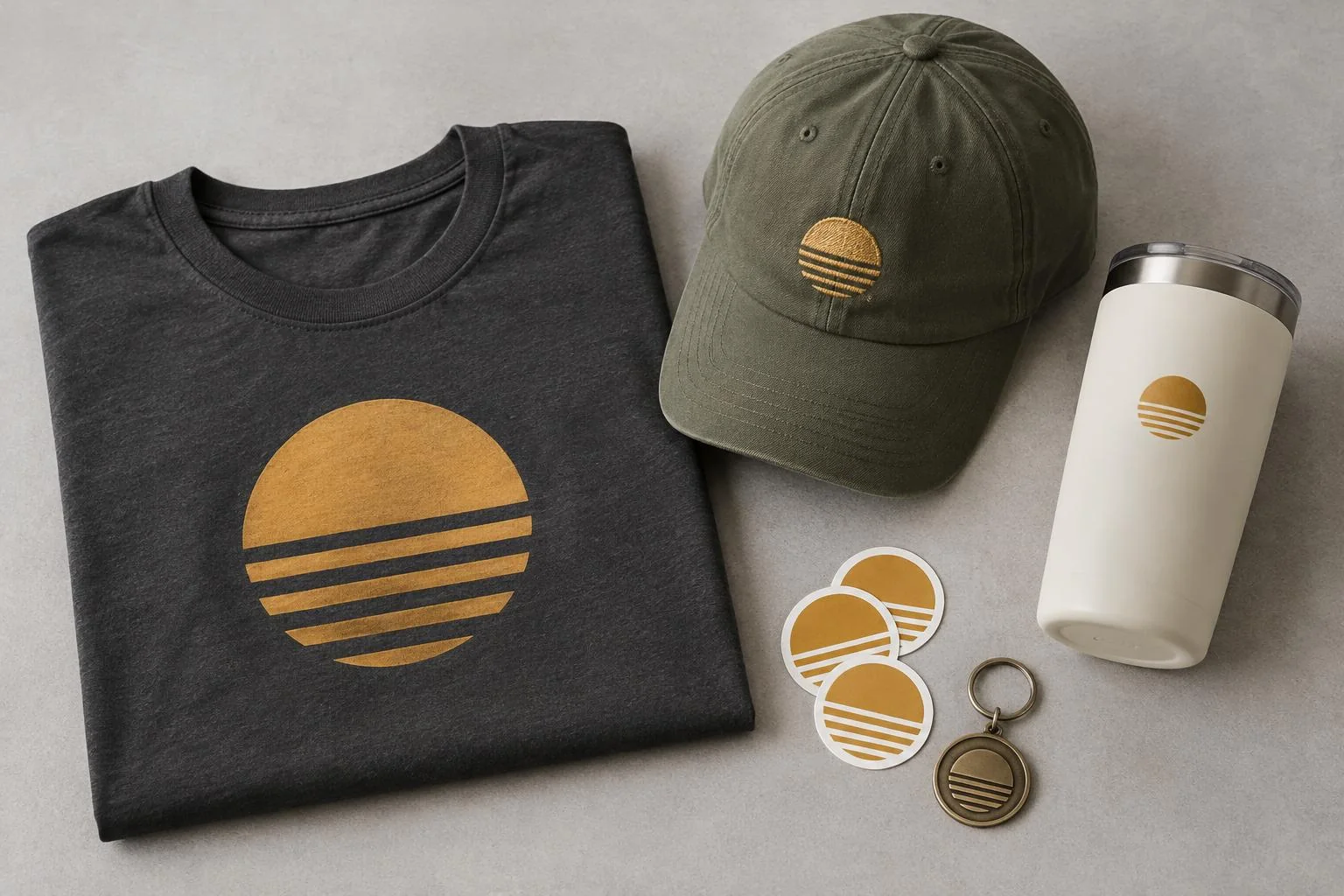
Consistency makes recognition easier. Use the same approved logo across your website, estimate, social profile, vehicle, and staff shirt. Keep a small color palette and a manageable set of fonts. Write your business name consistently, and choose photographs that resemble the actual work and people customers will meet. Different channels can have different layouts without looking like different companies.
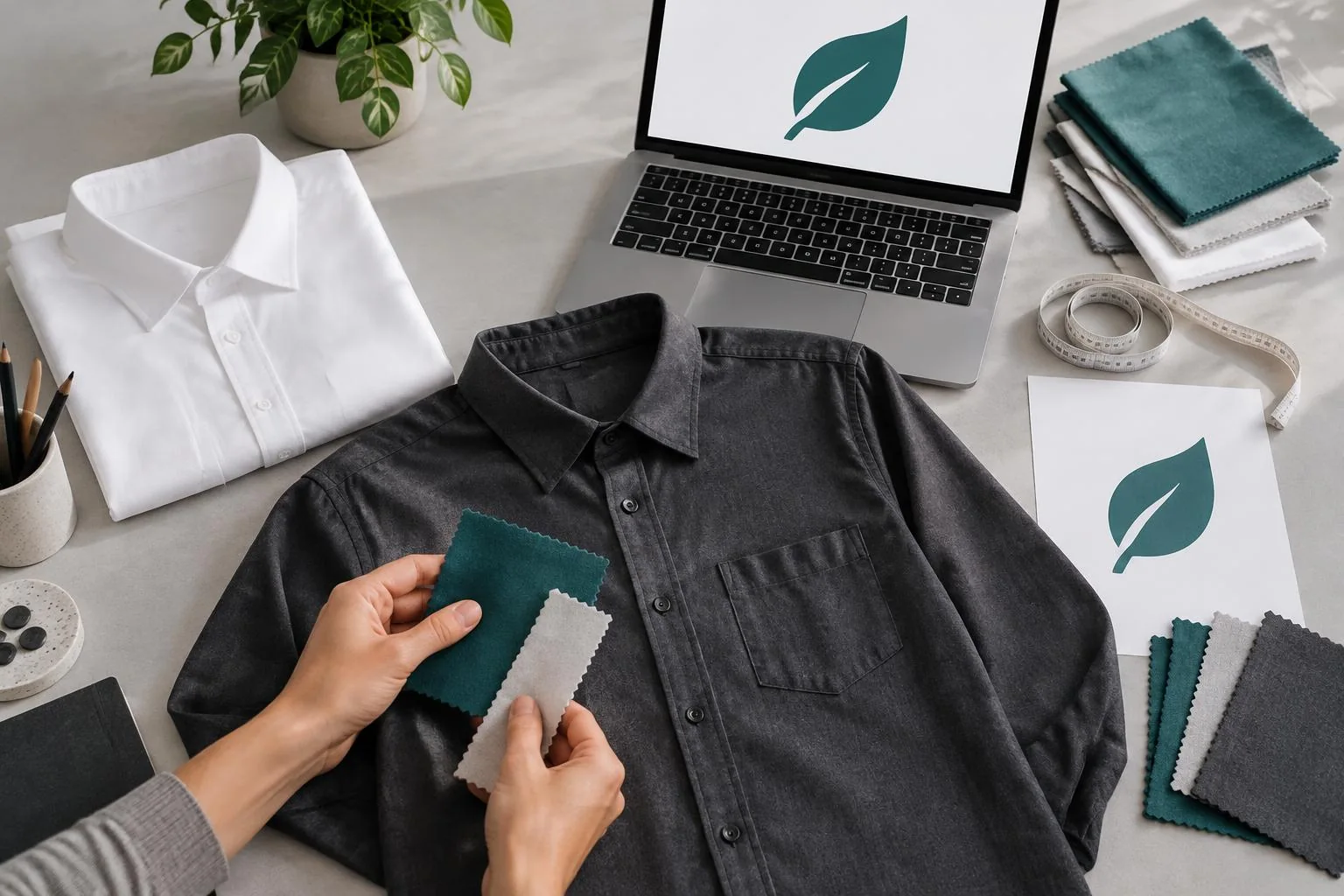
A simple one-page reference is enough to start: logo files, color specifications, font choices, and a few examples of your tone. Include a high-contrast logo version for dark backgrounds and a simplified version if the original contains tiny details. Check a sample before applying it to fabric; an intricate screen graphic may not translate cleanly to a small embroidered chest mark.
Quality is part of the message
Customers notice the gap between the promise and the delivery. A beautifully branded estimate followed by unanswered messages feels inconsistent. So does a premium-looking shirt that loses its shape immediately. Quality does not always mean buying the most expensive option. It means choosing something appropriate, checking the result, and using it reliably.
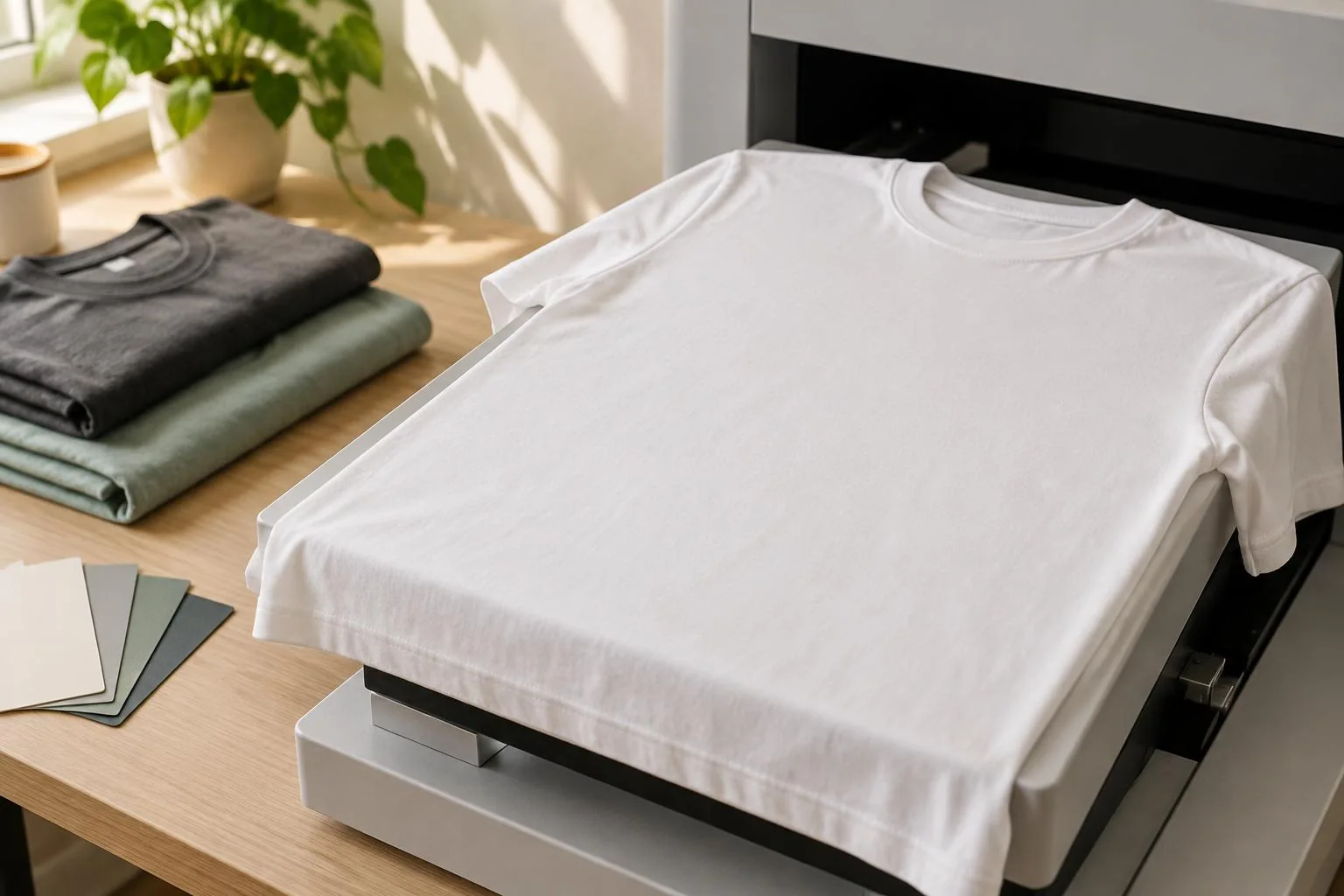
For apparel, consider fit, fabric, climate, movement, and washing. Ask staff what they will comfortably wear through a full shift. A soft cotton tee may suit a café; an outdoor crew may need a suitable performance fabric. Request a sample where practical and confirm decoration compatibility. Do not treat a branded uniform as a substitute for required protective clothing or safety equipment.
Let apparel reinforce an experience, not replace it
Uniforms can help customers identify your team and connect repeated encounters to the same business. A landscaping crew in coordinated shirts is easier to recognize from the street. That recognition becomes valuable when the crew also respects the property, communicates clearly, and leaves the job tidy. The shirt reinforces those actions; it does not create trust on its own.
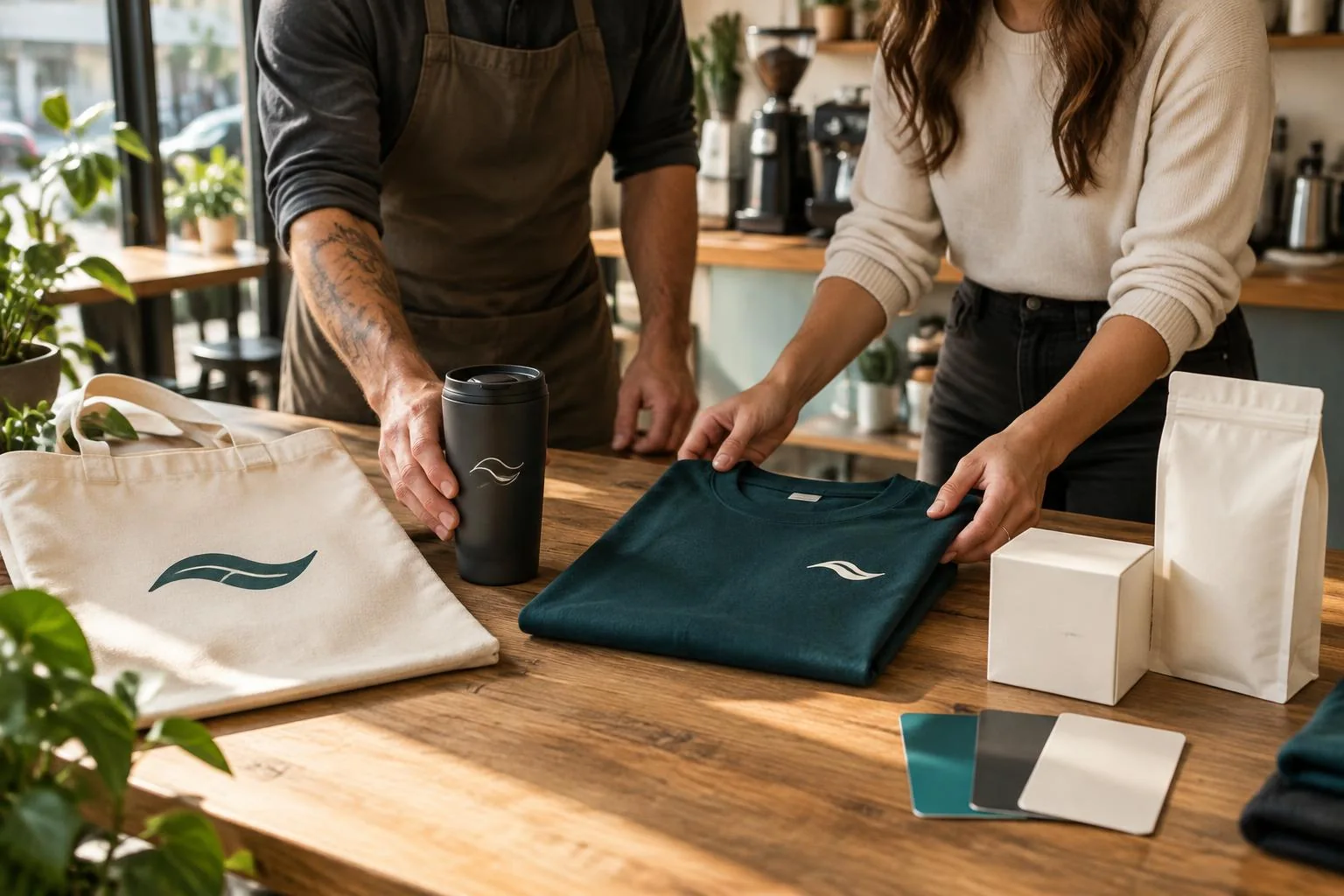
At a coffee shop, an apron or understated tee can connect the counter experience with a reusable cup or tote that regulars genuinely use. Keep the design wearable rather than turning every item into a crowded advertisement. For a contractor, a consistent chest mark on work shirts and the same identity on estimates can help a homeowner know who is arriving and what paperwork belongs to the project.
Useful merchandise works best when there is a real reason to keep it. Choose an item that fits your customers’ habits, not simply the cheapest giveaway. A small, well-chosen run can be more sensible than boxes of objects nobody wants. Branded shirts alone do not guarantee referrals, sales, or growth; relevance, repeat exposure, and a good experience give them something to reinforce.
A realistic five-step brand checklist
- 1. Define the promise. Write one sentence describing who you serve and what they can count on. Ask your team whether it matches everyday work, and identify one service habit that makes it tangible.
- 2. Gather the essentials. Put approved logo files, colors, fonts, and contact details in one shared place. Check your website, social profiles, quotes, and invoices for conflicting versions before buying anything new.
- 3. Fix the most visible gaps. Choose two or three customer touchpoints to improve first. Clear estimates, prompt replies, and recognizable staff may matter more than a full redesign. Give each improvement an owner and a realistic deadline.
- 4. Pilot one useful apparel or merchandise item. Set a spending limit, collect actual sizes, and compare complete quotes. Review the garment, artwork proof, and sample options before ordering. Start with a quantity you can explain, not a speculative stockpile.
- 5. Review and repeat. After a month or an appropriate use period, ask staff about comfort and customers about recognition. Track leftovers, wear, and feedback. Keep what works, correct the weak points, and save specifications for consistent reorders.
Spend where the memory is made
If money is tight, separate essentials from experiments. Protect the service improvements and the items your team needs now. Delay large giveaways, multiple garment styles, or a complete visual overhaul until there is a clear purpose. Compare total spending, including decoration, shipping, and any setup charges, rather than chasing a lower unit price by ordering more than you need.
For practical next steps, read:
Rise & Tide starts with that practical conversation: who will wear the piece, what it should communicate, and what your budget needs to cover. The goal is a recognizable extension of a business people already have good reasons to remember.
Ready to put the right shirts to work? Explore business packages for a starting point, or request a custom quote for your design and quantity.
Every Brand Has a Story. Every Shirt Tells One.